
How to Grow Sweet Potatoes in the Tropics
Sweet potatoes thrive in the tropics and are one of the most rewarding root crops you can grow at home. Whether you’re living off-grid, building a self-sufficient lifestyle, or just keen on growing your own tucker, sweet potatoes are a top-notch addition to your tropical patch.
Why Grow Sweet Potatoes in Your Garden?
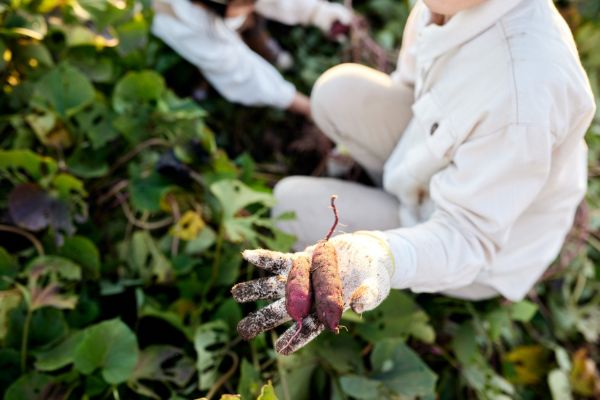
Sweet potatoes love the wet season and warm climate typical of tropical regions. They grow fast, don’t need loads of fuss, and provide a good source of vitamins, calories, and fiber. Their sprawling vines also act like a living mulch, shading out weeds and protecting the soil.
A Tasty, Resilient Crop
They’re drought-tolerant once established and can handle short periods of waterlogging — perfect for those on rainwater tanks or managing unpredictable weather. Plus, you can eat both the tasty tubers and the leaves, making them a two-for-one food crop.
Getting Started
How to Grow Sweet Potatoes in the Tropics
You don’t need much to get going — just a bit of space, some decent soil, and a handful of sweet potato slips or cuttings. Here’s how:
1. Choose Your Spot
Pick a sunny location where your vines have room to run. Sweet potatoes like well-drained soil rich in organic matter. If your soil’s on the heavy clay side, consider building up some mounds or using raised beds.
2. Prepare the Soil
Dig in compost, aged manure or worm castings to give your plants a kickstart. Sweet potatoes aren’t super fussy, but they’ll thrive with a little love from the soil. A touch of wood ash can help too, as they like a bit of potassium.
3. Planting Slips or Cuttings
You can grow sweet potatoes from store-bought varieties by letting them sprout in water or damp soil. Once shoots appear, snip them off and plant them directly into your garden. These are called slips, and they root quickly in warm, moist soil. You can even start them in a jar with a little water, the kids always love watching them grow inside!
Alternatively, grab a piece of vine from a mate’s garden — any healthy cutting around 20–30cm long will do. Plant them horizontally with a few nodes buried under the soil.
4. Watering and Mulching
Keep the soil nice and moist while your plants are establishing, then ease off once they’re growing strong. Mulch around your plants with straw, dried leaves, or grass clippings to keep weeds down and soil cool.
Caring for Your Sweet Potatoes
Once your sweet potato vines are humming along, they really don’t need much hands-on care. However, here are a few tips to keep them happy:
- Feed lightly: Too much nitrogen will give you masses of leaves but not many tubers. If you’re adding fertiliser, stick to low-nitrogen options.
- Keep ‘em in check: The vines can get a bit wild, so train them to stay in beds or pathways. You can snip back overenthusiastic growth without harming the plant.
- Pest control: In tropical regions, sweet potato termites can be a problem. Rotate beds, use healthy planting material, and harvest promptly to reduce numbers. The other problem can be hungry wallabies enjoying the leaves and even digging up the sweet potatoes as the weather dries out.
Harvesting and Storing
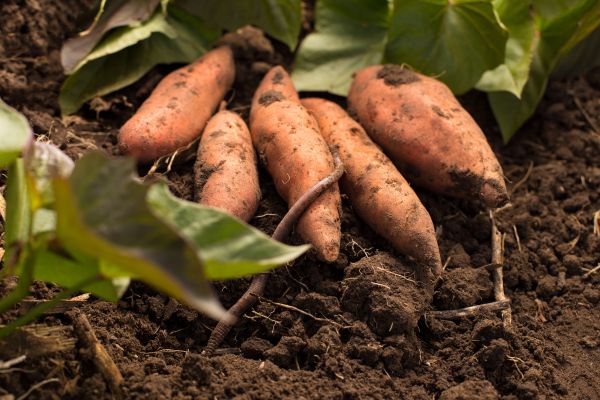
Your sweet potatoes will usually be ready to harvest in about 4–6 months. Look for signs like yellowing leaves and dying back vines. Dig gently to avoid damaging the tubers. If harvested on a dry day, you can leave them out for a few hours to cure before bringing them inside.
Store them in a cool, dry spot. In Darwin we often have to store them in the fridge and they last for months. Down south in Australia you can store them in cool dry areas. In fact, their flavour often improves after a few weeks of curing.
Don’t Forget the Leaves!
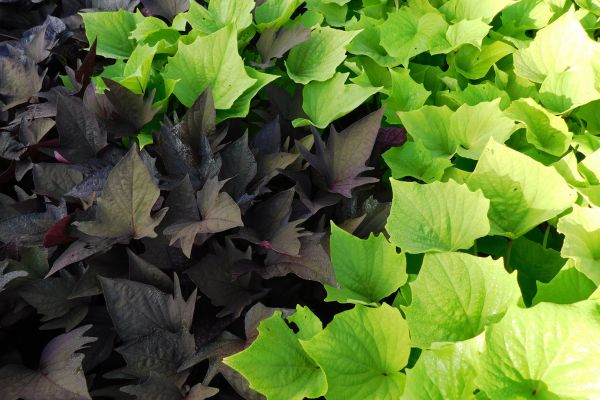
The leaves of sweet potatoes are nutrient-packed and delicious cooked like spinach or added to stir-fries, soups and curries. Harvest them regularly for a bonus feed that keeps on giving. The vines weave their way through the garden.
Going Off-Grid with Sweet Potatoes
For those living off-grid, sweet potatoes are a real winner. They require minimal inputs, yield well, and store easily without refrigeration if in southern areas and in the fridge if in the extreme humidity. You can keep new crops going by planting out slips from your previous harvest and build a seasonal rotation that gives you food security year-round.
Sweet Potatoes are a Tropical Gardener’s Best Mate
Whether you’re new to tropical gardening or an old hand growing your own food, learning how to grow sweet potatoes in the tropics is a worthwhile skill. They’re easy on the back, generous in their yield, and versatile in the kitchen. Give them a go this season — your garden (and your belly) will thank you.